



Kerb Ramps
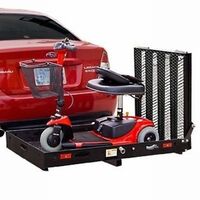
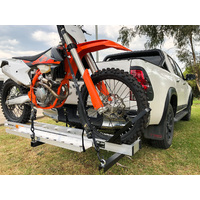
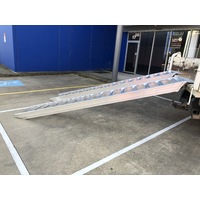
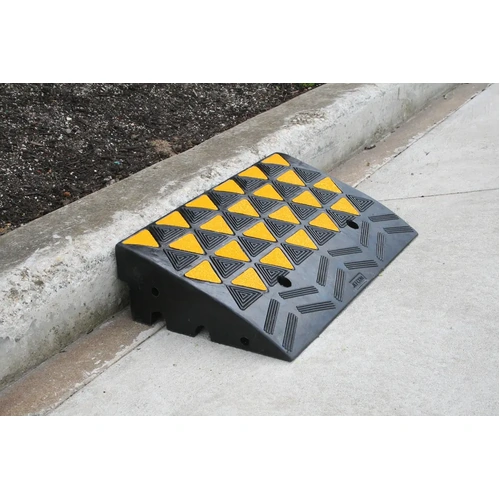
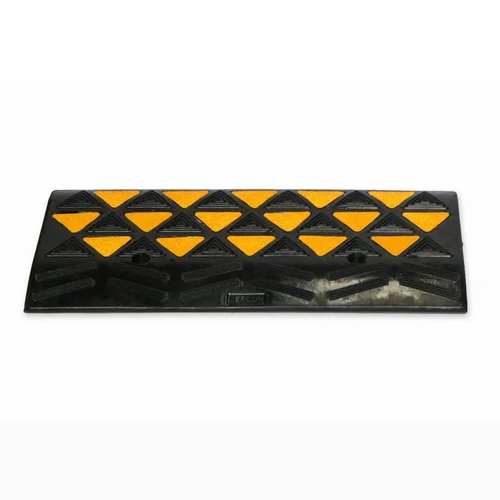
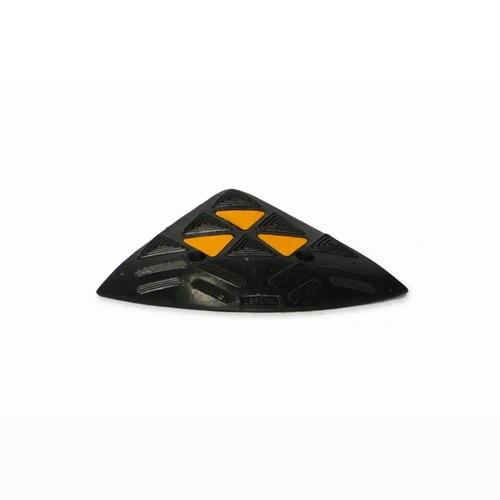
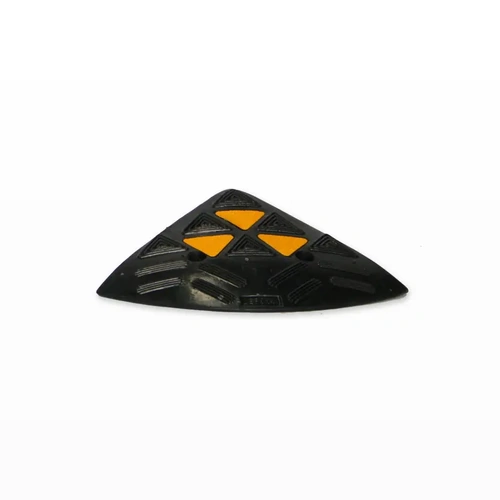
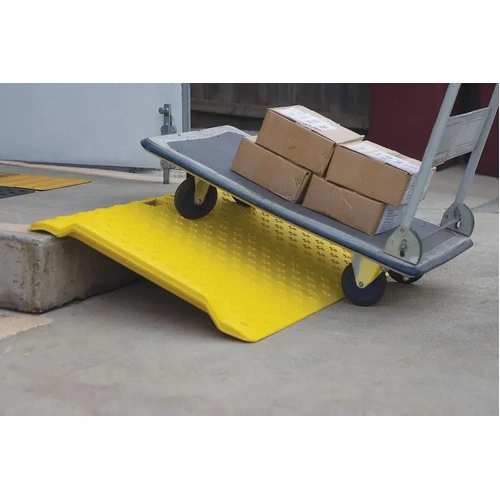
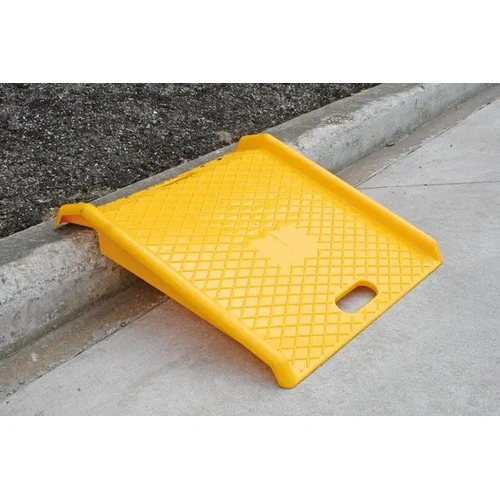
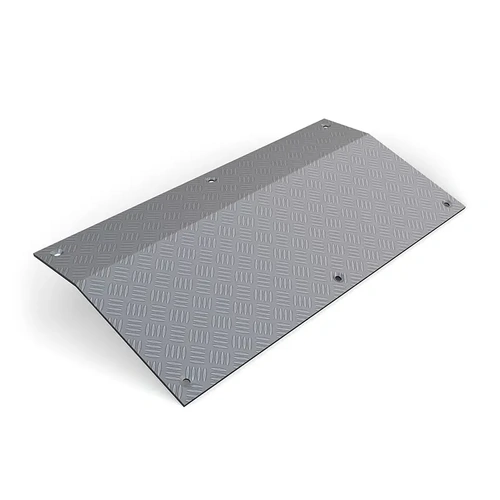
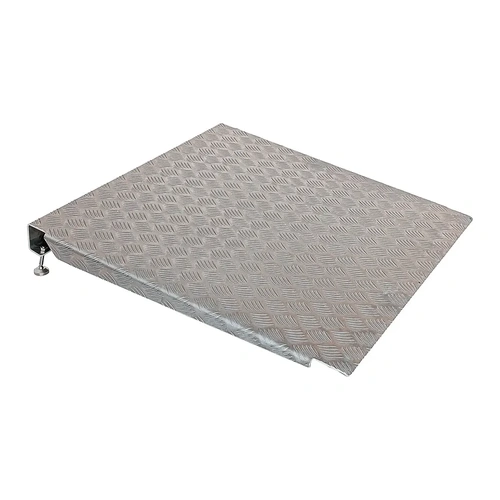
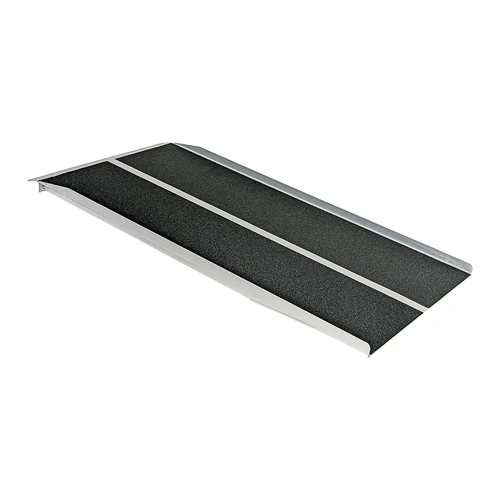
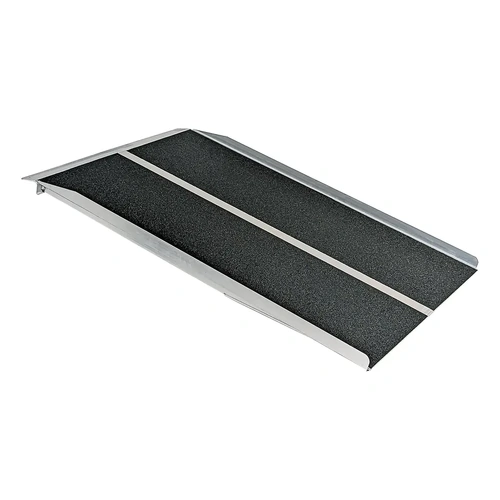
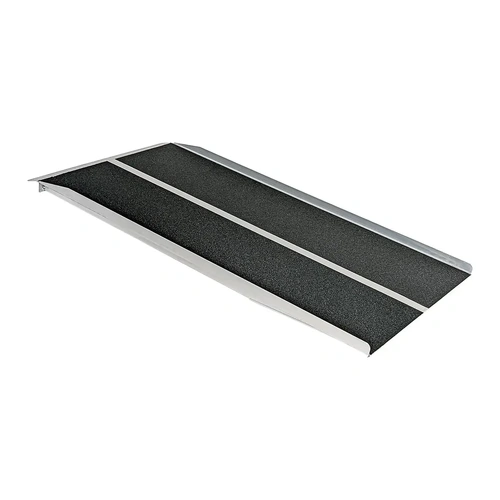
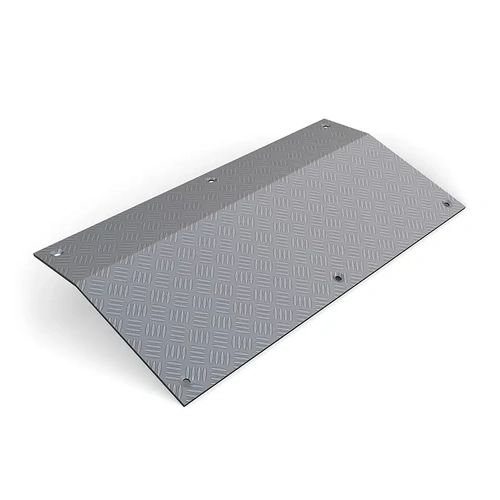
Ramp It Up's expansive range of kerb ramps, also known as driveway ramps or gutter ramps, offers an immediate, economical solution to harsh transitions. Choose from heavy duty steel, alunmiuim, ultra durable rubber or lightweight, strong plastic models. They're built for permanent fixing or easy portability, offering smooth access for cars, wheelchairs, trolleys, and light delivery vehicles.

Kerb Ramp FAQs
What are kerb ramps and what are they used for?
What are kerb ramps and what are they used for?
Kerb ramps are low‑profile transition ramps designed to bridge small height differences, such as a vehicle driveway kerb, a trolleys step‑up or loading zone edge. They make movement smoother and safer for vehicles, foot traffic or materials‑handling equipment.
What kinds of kerb ramps does Ramp It Up offer?
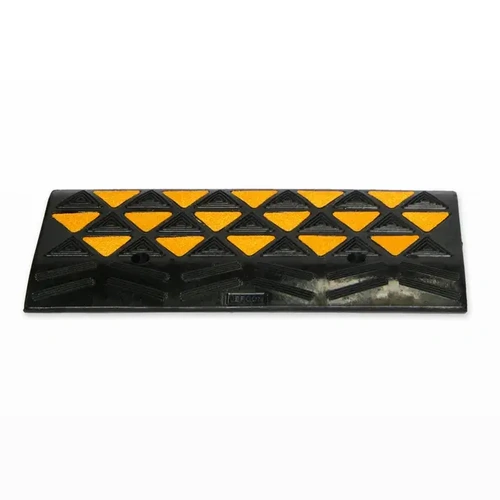
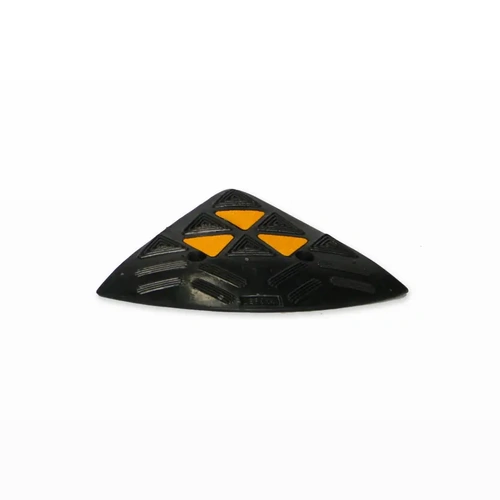
We offer a range of kerb ramps including heavy‑duty rubber ramps for vehicles and industrial loading zones, aluminium or composite ramps for lighter‑vehicle or equipment use, and portable/temporary kerb ramps ideal for site access or event situations.
Do driveway kerb ramps block water drainage?
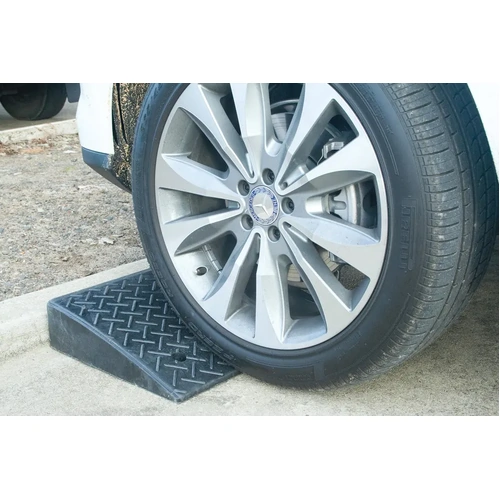
Our heavy‑duty rubber driveway ramps are designed with built-in drainage channels underneath. This allows water to flow naturally through the gutter, preventing blockages and ensuring compliance with standard drainage requirements.
Are kerb ramps legal to leave out?
While many customers use these for driveway access, local council rules vary. We suggest using portable options that can be easily moved, or checking with your local authority if you plan on a permanent bolt-down installation on a public kerbside.
How do I choose the right kerb ramp for my needs?
Consider the height of the kerb or step you need to overcome, the weight or the user or objects (pedestrians, trolleys, cars, trucks), the width required, and whether you want a permanent or portable solution. Match those to the ramp’s load capacity, material and mounting or fix‑down capability.
Are the kerb ramps fixed permanently or can they be removed/relocated?
Both options exist. Some models are designed to be bolted down or fixed for a long‑term installation; others are portable and just placed as needed. Choose based on whether you want a permanent fix or flexible/temporary access.
Will these driveway ramps help with low-clearance vehicles?
Absolutely. Driveway kerb ramps are the most effective way to protect low-profile cars from scraping. They create a gradual transition from the road to your driveway, saving your front bumper and suspension from impact damage.
What are the Australian standards for kerb ramp gradients?
To ensure safety and ease of use, Australian standards generally recommend a maximum slope of 1:14. For shorter transitions (up to 1900mm long and 190mm high), a 1:10 gradient is typically acceptable. Specialized threshold ramps under 35mm in height may use a 1:8 slope to provide accessible transitions at doorways.
Can these driveway ramps protect my vehicle from structural damage?
Absolutely. By aligning your driveway edge with the road surface, these ramps create a smooth path for cars, trucks, caravans, and wheelchairs. Using them correctly ensures that your vehicle's undercarriage and bodywork avoid the impact and friction that lead to scratches, dents, and suspension wear.