

Wheelchair Carriers For Cars
Mobility carriers


FAQs
What’s the difference between a wheelchair carrier and an electronic mobility scooter lift?
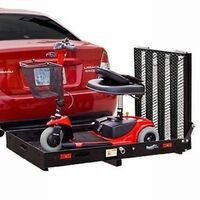
The difference between a wheelchair carrier and an electronic mobility scooter lift comes down to effort and weight. A carrier is the simpler, lower-cost option for a manual wheelchair or lighter device on the rear of the vehicle. An electronic lift, such as the Harmar Fusion Lift, provides powered loading for scooters and heavier equipment, reducing manual handling. Choose by device weight and how much you can lift.
Is a tilting mobility carrier rack easier to use than a standard rear tow bar carrier?
A tilting mobility carrier rack is easier to use than a standard rear tow bar carrier because it tilts to improve the loading angle, reducing awkward lifting. The Mo-Tow Tilting Mobility Carrier Rack suits users who prioritise easy loading. A fixed rear tow bar carrier is simpler and more affordable. Choose based on whether convenience or budget matters most.
Do I need a swing-away attachment arm, or can I use the carrier on its own?
Whether you need a swing-away attachment arm or can use the carrier on its own depends on your vehicle and rear access needs. Some setups work without one. The Harmar AL105R1 swing-away arm lets the carrier swing clear so you can open the boot or tailgate without unloading. Check your tow bar arrangement and how often you access the rear first.
Are these carriers only for mobility scooters, or can they also transport a manual wheelchair?
These carriers are not only for mobility scooters; the range also includes options for manual wheelchairs, such as the Mo-Tow Wheelchair Carrier that attaches to the rear tow bar. Not every carrier suits every device, so match the carrier to your chair or scooter’s size and weight, and decide whether you want manual or powered loading.
I’m worried a rear-mounted carrier will be awkward to load. Are there options for people with limited strength?
Options for people with limited strength include tilting carrier racks and electronic lifts, which make a rear-mounted carrier less awkward to load. Tilting racks reduce the effort of positioning the device, while Harmar electronic lifts provide powered lifting. If manual handling is a concern, prioritise these over entry-level tray carriers.
Why are scooter covers sold alongside mobility carriers?
Scooter covers are sold alongside mobility carriers because they protect a mobility scooter from the weather during transport and storage. They are made from durable Oxford 600D fabric. A cover is an optional accessory; the core transport hardware is the wheelchair carrier, tilting rack, swing-away arm or electronic lift.